
Short answer: Effective awareness training isn’t about ticking a box once a year. It needs to be targeted, relevant, and repeated regularly to actually change behaviour and build a strong security culture. Use real-life examples, test employee knowledge, and ensure management supports the effort — that’s how training becomes both meaningful and necessary.
Perhaps the most effective compliance initiative
9 out of 10 security breaches are caused by human error. Yet many companies still don’t provide internal awareness training. In our experience working with organisations, we often see employees skipping key processes in favour of speed over data protection. That’s a serious risk, because it’s your employees who handle sensitive data every day. The most cost-effective step you can take to improve compliance may therefore be awareness training. This blog explains how to design awareness training that lays the foundation for secure work practices.
Did you know that rapid response to data breaches can minimise long-term damages and costs associated with customer churn and lost trust?
- www.ponemon.org
What does GDPR say about awareness training?
Under Article 43, the GDPR requires you to provide “the appropriate data protection training to personnel having permanent or regular access to personal data.” It does not give specifics on how you should train personnel, how often, or list the topics that you should cover. Each company should choose or set up an “appropriate” training program.
Notice that training is required for personnel having “permanent or regular access to personal data”. The broad definition of personal data under GDPR makes this apply to most of your staff. But not everyone’s access to personal data is or should be the same. Doing a data inventory can help you figure out who has access to what and tailor your training program appropriately.

What makes a succesful awareness training?
A good security awareness program should help you develop a privacy and security-first culture. It should motivate your people to protect your company’s systems, your customers, each other—and everyone’s data. In practice, it should train your team to:
- Care about people’s privacy
- Recognise security threats
- Understand the stakes involved
- Take action to minimise risk
It should include your whole organisation from top to bottom, be continuous and engaging, and make use of a variety of topics and quality educational materials.
Security awareness training works
A study by Cyberpilot found that employees who received ongoing awareness training and were regularly exposed to phishing simulations made 50% fewer mistakes during a simulated phishing attack. This clearly shows that when people understand the risk of exposing sensitive data – and are aware of the threat of cybercrime – they act more responsibly. That’s why it’s crucial not only to deliver awareness training but to ensure it actually works.
To capture and maintain employees’ attention, Cyberpilot recommends three concrete principles:
-
Make it personal
-
Keep it short and clear
-
Make it easy to remember
If your awareness training content meets these three criteria, it’s far more likely to stick with your staff and shape how they handle security and GDPR-related challenges. It may sound simple – but creating engaging and effective awareness training is still one of the bigger challenges.

Topics for security awareness training
Here are some of the topics we suggest you cover in your security and awareness training program:
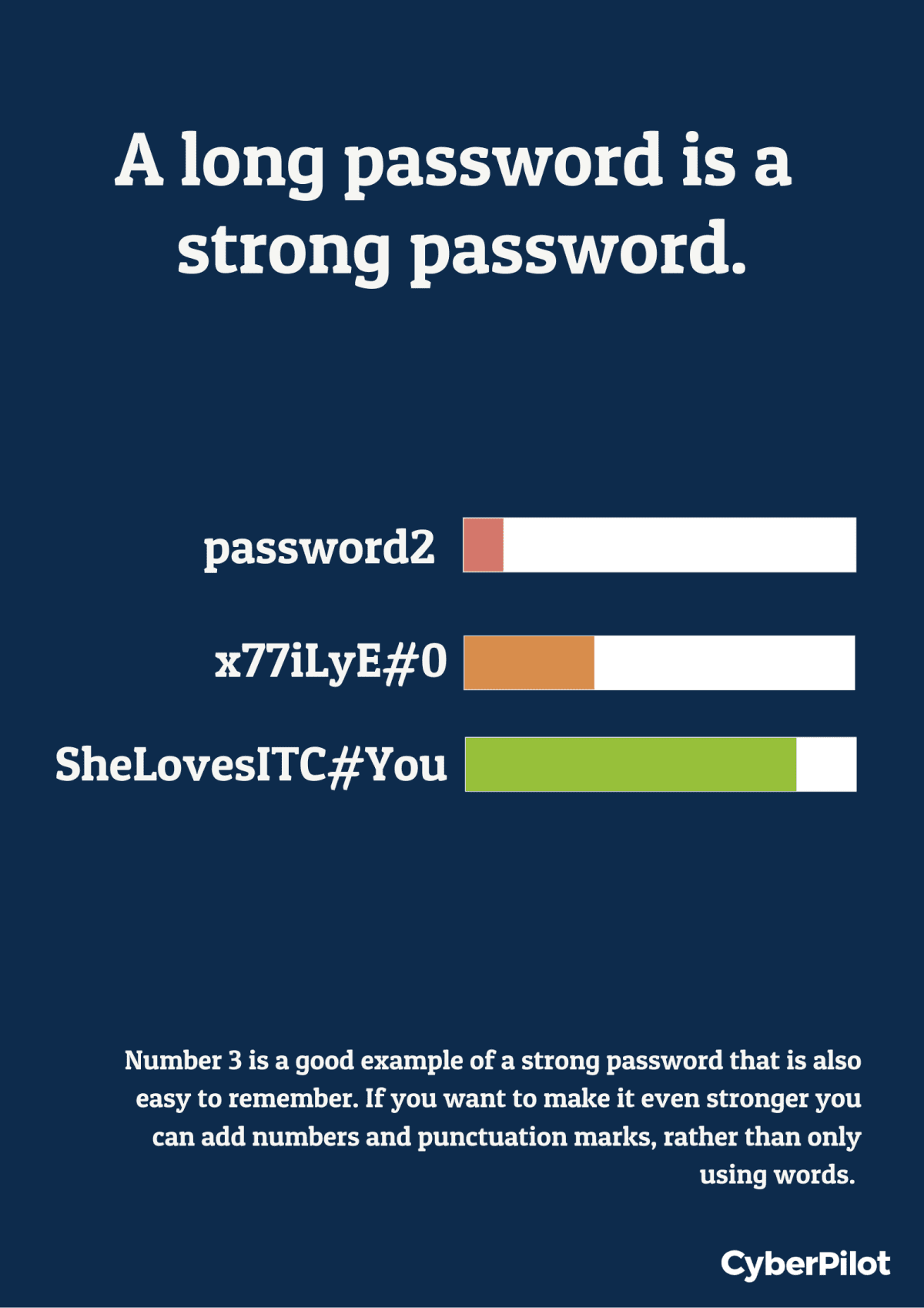
- Password selection and management
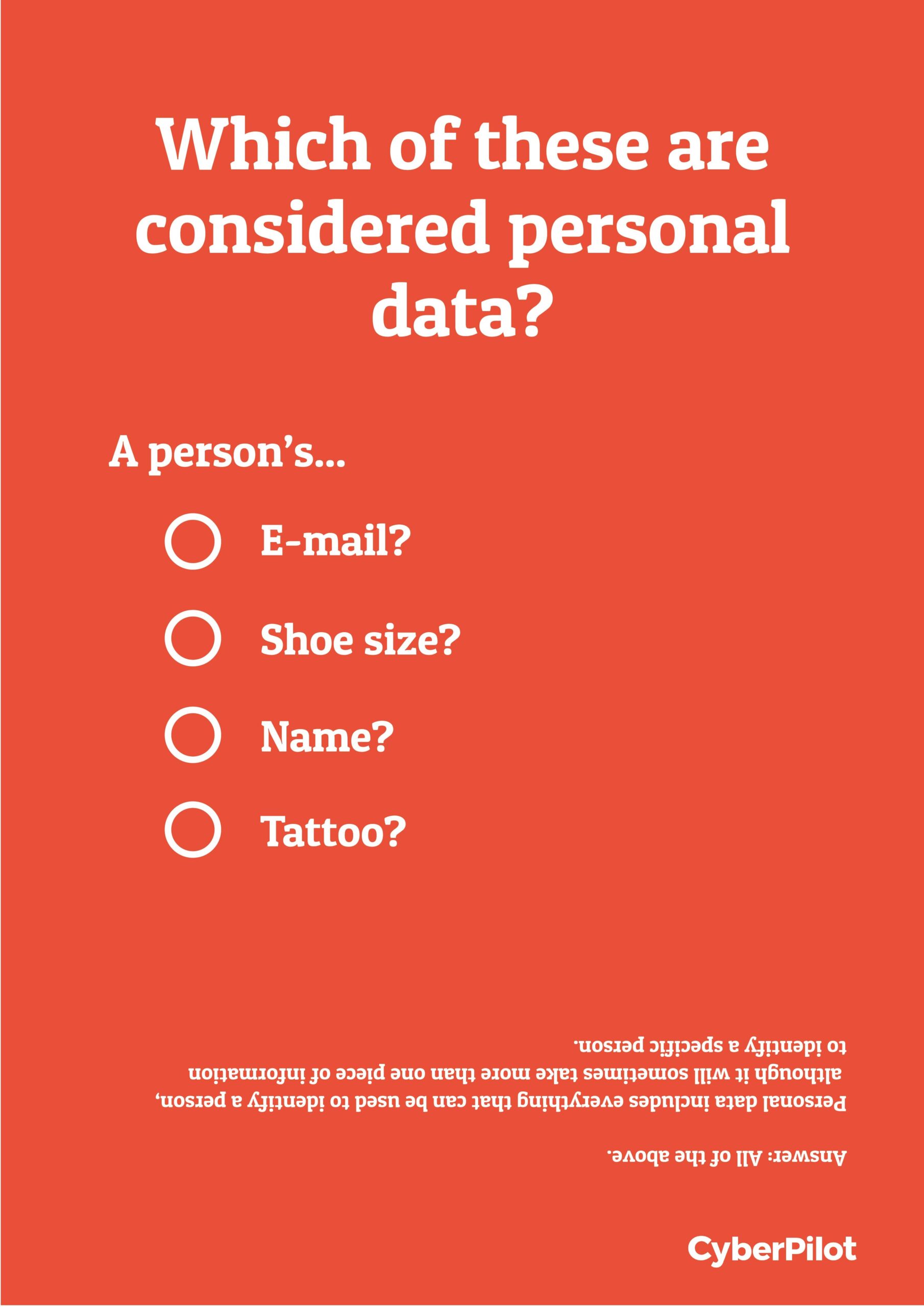
- Recognising personal data
- Phishing variations and how to spot them
- Understanding Privacy Rights
- GDPR principles and compliance
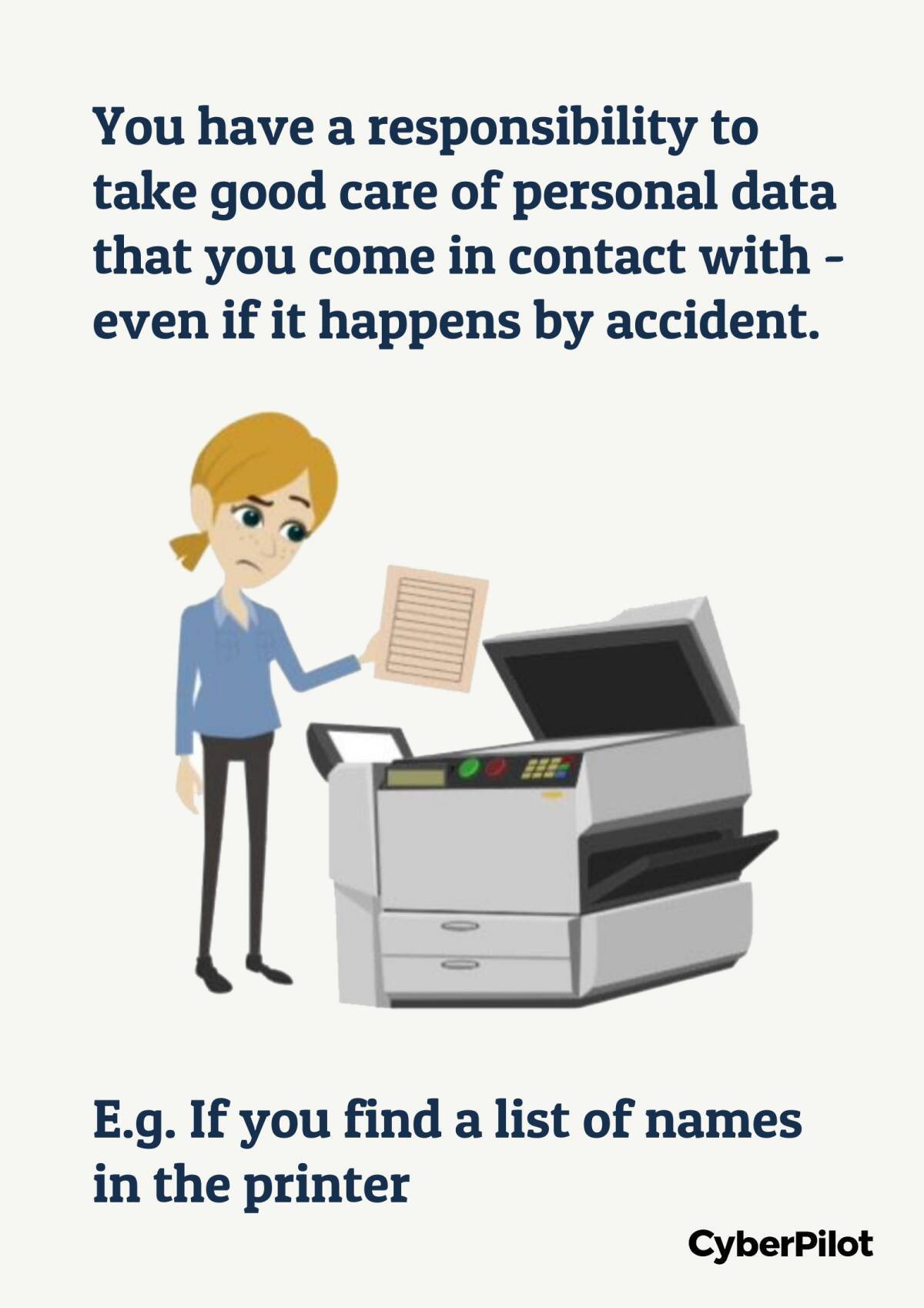
- Caring for sensitive data
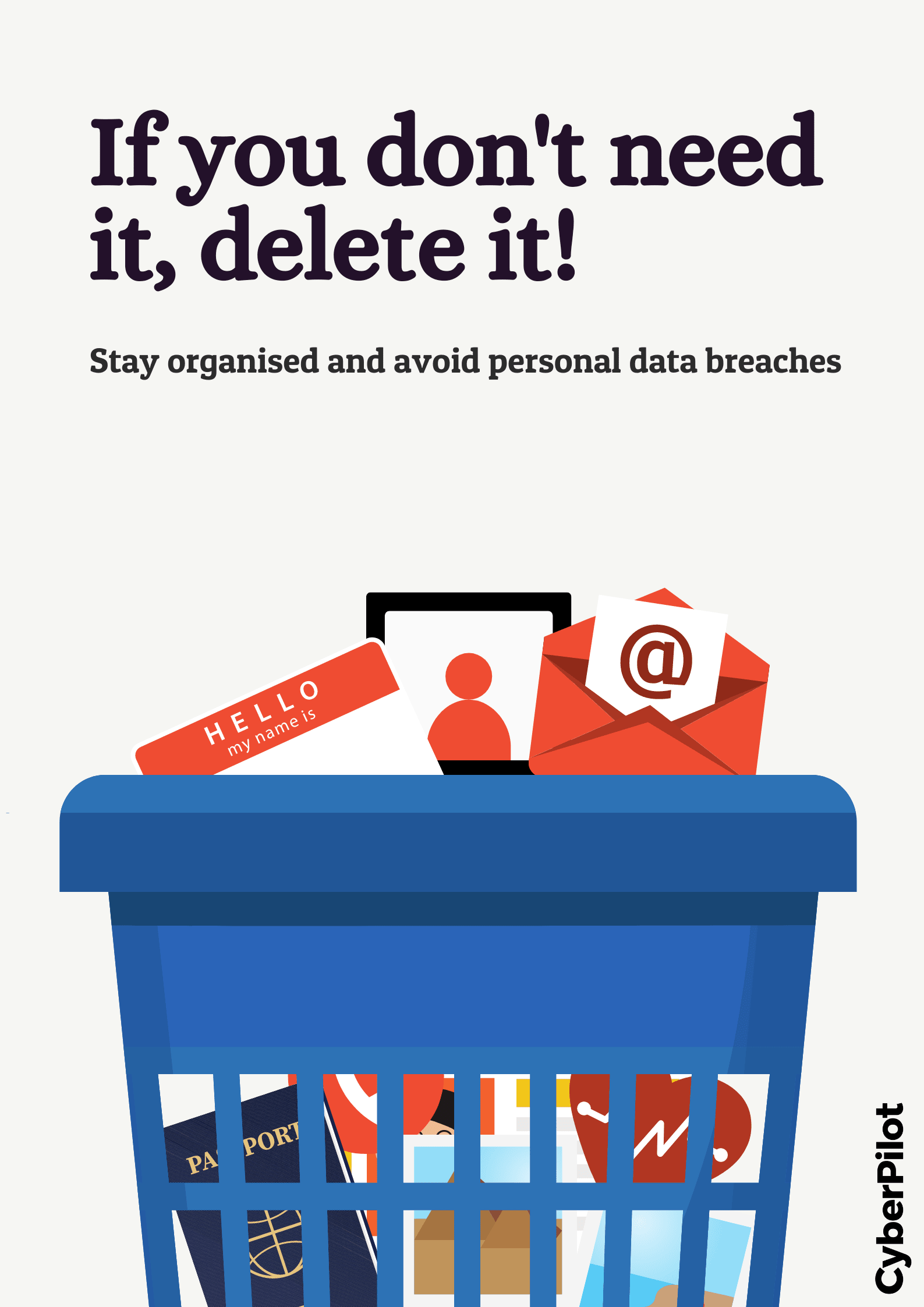
- How to practice data minimisation
- Email security mistakes
- Using shared wifi and VPNs
- Software updates and security
- Keeping work devices safe
- Remote workplace security
If you were to focus on just one of these topics each month, this would be enough information to keep your privacy and security awareness training going for a whole year! Some companies schedule a security awareness day and try to hit as many of these topics if possible. This can become quite a grueling day. If you cover too much information at once, it will be difficult for people to concentrate and remember what they’ve learned. And it will be almost impossible for you to track and measure improvements.
How to set up your security awareness program
Each of the topics mentioned above is too important to cram them all together into one long, dull seminar. Rather, we suggest a program that schedules very brief, but regular sessions based on each of these topics. The emphasis should be on helping people see their importance, the stakes involved, and then how to improve their practices.
Let’s look at some simple outlines for a few topics to get you started.
Need help managing personal data?
In our newsletter you get tips and tricks for dealing with privacy management from our founder Sebastian Allerelli.
When you sign up for our newsletter you get a license for one user to ShareSimple, which will give you a secure email in Outlook. This special offer is for new customers only, with a limit of one freebie per company.
Outsourcing security awareness training
For most of us, using our own time to plan, design and implement an engaging security awareness program isn’t practical. Not only would it be too time-consuming to create your own educational materials and resources, but you would also have to do a ton of research to update your information regularly, as security threats are constantly changing.
For this reason, some companies choose to send a few of their employees to a security awareness seminar, hoping they will absorb the information and educate the rest of the team. This isn’t very effective, for a couple of reasons.
- Reason #1: As mentioned above, regular continuous education has been shown to be superior to trying to pack everything into one day.
- Reason #2: Getting everyone involved gets better results than counting on just a few people to pass on what they manage to remember from a quick, intensive seminar.
Stop the GDPR monster before it gets its hold of your personal data
FAQ about awareness training
1. Is awareness training mandatory?
Not explicitly – but under GDPR, it is required that employees are instructed and trained in data security.
2. How often should we train?
At least once a year – but preferably more frequently and in smaller doses (micro-training).
3. How do we measure effectiveness?
Through quiz results, click rates on phishing tests, and follow-up behavioural observations.
4. Who is responsible for awareness?
Management holds the overall responsibility, but it must be anchored across HR, IT, and DPO roles.
The benefits of online security awareness training
Providing awareness training for your employees can be the most cost-effective way to strengthen your compliance efforts. Cyberpilot offers a complete series of e-learning courses and phishing simulations that make GDPR awareness training easy. The courses are packed with videos and infographics to help users understand and remember the material. Employees can track their progress as they go through each course, which ends with a short test.
Learn more

Sebastian Allerelli
Founder & COO at Safe Online
Sebastian is the co-founder and COO of Safe Online, where he focuses on automating processes and developing innovative solutions within data protection and compliance. With a background from Copenhagen Business Academy and experience within identity and access management, he has a keen understanding of GDPR and data security. As a writer on Safe Online's Knowledge Hub, Sebastian shares his expertise through practical advice and in-depth analysis that help companies navigate the complex GDPR landscape. His posts combine technical insight with business understanding and provide concrete solutions for effective compliance.